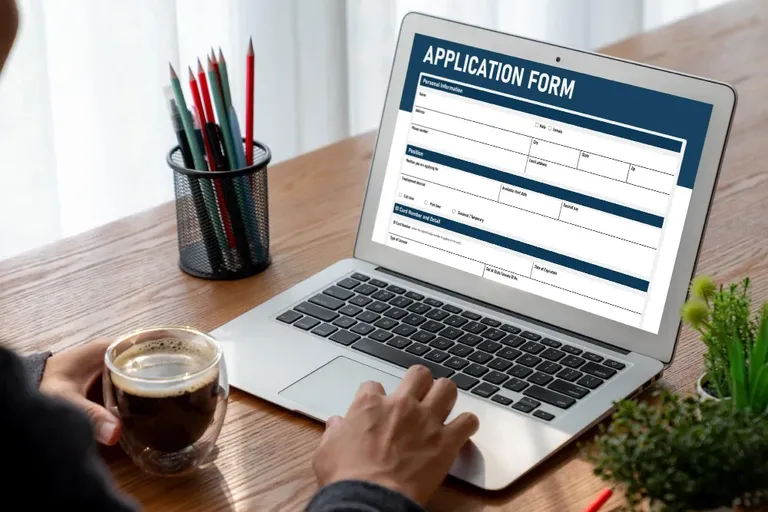
Employee orientation is the structured introduction a new hire receives during their first days, covering the company, their role, workplace policies, tools and people. A good employee orientation process runs in stages: paperwork and access before day one, a welcome and policy briefing on day one, role training in the first week, and check-ins at 30, 60 and 90 days. The aim is to make someone productive and settled quickly, and to cut early resignations. Orientation usually lasts a few days, while full onboarding continues for several months afterwards. Done well, it helps new joiners feel welcome from day one.
Orientation vs Onboarding
People use the two words as if they mean the same thing, and the muddle causes real gaps. Orientation is the short, fixed introduction: who we are, where things are, what the rules say. Onboarding is the longer journey that turns a newcomer into a confident team member.
If you treat orientation as the whole job, new starters get a lovely first week and then drift. If you skip orientation and jump to onboarding, they spend days not knowing basic things like how to apply for leave. You need both, in that order.
Try OfficePortal free for 5 users
All-in-one HRMS — attendance, payroll, leave and more. No credit card needed.
The Employee Orientation Process, Stage by Stage
Before day one
Send the offer paperwork, a joining checklist and a short note about what to bring. Collect identity documents, bank details and PF information early, so day one is not spent filling forms. Set up email, system access and any equipment in advance. Nothing says "we were not expecting you" like a laptop that arrives on Wednesday.
Day one
Keep it human. A welcome from the manager, a tour or virtual walkthrough, a buddy to sit with at lunch and a clear plan for the week. Cover the essentials: working hours, attendance method, leave rules, code of conduct and the POSH policy. Our guide to what a POSH policy is and why it matters is a useful reference for that session.
Week one
Move into the role. Meet the team, understand current projects, shadow a colleague and agree the first set of goals. Avoid dumping every policy document in the first hour. Nobody retains it.
Days 30, 60 and 90
Short check-ins, ideally with a manager and HR, to ask what is unclear, what is going well and what support is missing. This is where problems surface before they become resignations.
Best Practices That Actually Work
- Assign a buddy. One named person for questions removes a lot of hesitation.
- Use a checklist with owners. Every task needs a person and a date.
- Spread information out. Three short sessions beat one marathon.
- Collect feedback. Ask new hires what confused them and fix it for the next batch.
- Keep it consistent. Remote, hybrid and office starters should get the same quality of experience.
The Mistakes to Avoid
The usual failures are late equipment, no clear first-week plan, too much reading and no follow-up after the first fortnight. Inconsistent orientation between departments is another one. A new sales hire and a new engineer should both leave week one knowing the same company basics. For wider thinking on the experience beyond orientation, see our guide to employee experience management.
Running Orientation With OfficePortal
Orientation falls apart when it depends on emails and memory. OfficePortal puts the pieces in one platform. Employee records and joining details live in HR management software, so profile data is captured once. Offer letters, policies and signed forms are held in HR document management software with encrypted storage and role-based access.
Orientation checklists can be run as assigned work in task management software, with owners and due dates for IT, HR and the manager. After week one, talent management software supports the development side, which keeps new hires moving from orientation into growth plans.
Teams with frequent hiring, such as SaaS companies scaling quickly across locations, see the biggest gain, because every new starter gets the same structured start without HR rebuilding the process each time.
Measuring Whether It Works
Track time to first productive task, new-hire satisfaction scores at 30 days, early attrition in the first six months and manager feedback. If early attrition is high, the problem is rarely the recruitment. It is usually the first fortnight, so fix that before you spend more on hiring.
Conclusion
A strong employee orientation process is quiet, organised and human. People should leave their first week knowing where to go, who to ask and what is expected of them. OfficePortal helps HR teams run that process without chasing paperwork, by keeping records, documents and tasks together. Try OfficePortal HR management free for up to five users.

About the author
Kasi Rajan C
Senior SEO Analyst
Kasi Rajan is a Senior SEO Analyst specializing in SEO, AEO, GEO, content strategy, and digital marketing. He shares practical insights to help businesses improve search visibility, strengthen online presence, and drive organic growth.
Connect on LinkedIn