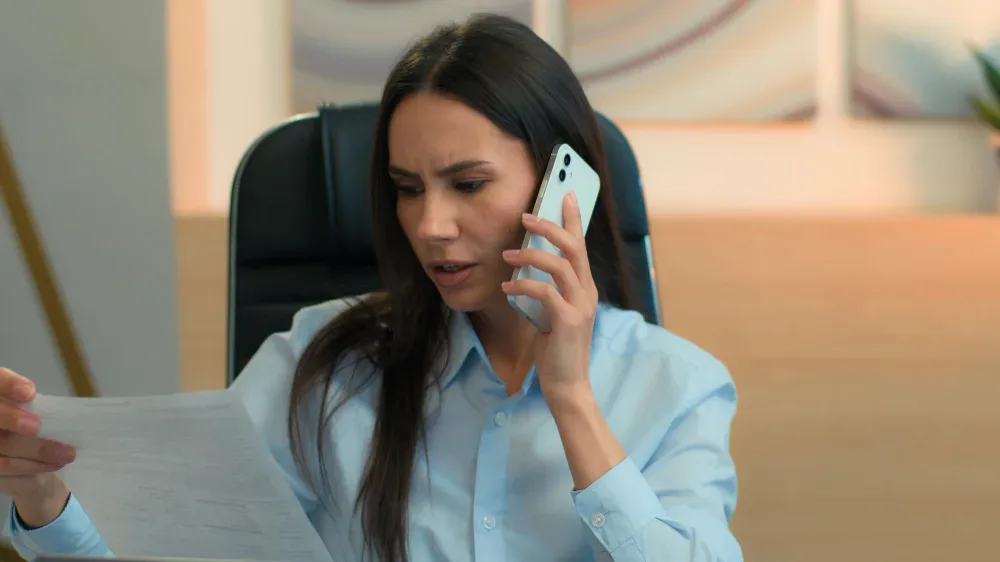
An interview calling message, sometimes called an interview invitation message or interview call letter, is the communication a recruiter or HR team sends to a candidate confirming they've been shortlisted and inviting them to interview. A well-written one states the role, the interview format, the proposed time, and the next step clearly, leaving no ambiguity for the candidate about what to expect or how to respond.
What a good interview calling message must include
The specific role being interviewed for. Candidates applying to multiple companies or roles need this stated explicitly, not assumed.
Interview format and location. Whether it's in person, over video call, or by phone, with the relevant link or address included directly rather than sent separately later.
Proposed date and time, with flexibility offered. Suggesting a specific slot while inviting the candidate to propose an alternative if it doesn't work shows respect for their schedule.
Who they'll be meeting. Naming the interviewer or panel, with their role, helps the candidate prepare and reduces first-meeting awkwardness.
Clear next steps for confirmation. A simple instruction — reply to confirm, or a link to select a time — removes friction from the response process.
Example: a straightforward interview calling message
"Hi [Candidate Name], thank you for applying for the [Role Title] position at [Company]. We'd like to invite you to a first-round interview with [Interviewer Name], [Their Title], on [Date] at [Time] via video call. The link will be shared closer to the time. Please confirm if this works, or let us know a few alternative times that suit you better."
Try OfficePortal free for 5 users
All-in-one HRMS — attendance, payroll, leave and more. No credit card needed.
Example: a follow-up interview call letter for a later round
"Hi [Candidate Name], following your first interview, we'd like to invite you to a second-round discussion with [Interviewer Name] on [Date] at [Time], in person at our [Location] office. This round will focus on [brief context, e.g., a case study discussion]. Please confirm your availability."
Common mistakes in interview calling messages
Vague timing without a specific proposal. Asking "when are you free?" without offering a starting point creates unnecessary back-and-forth.
Missing format details. Not specifying video, phone, or in-person leaves candidates uncertain and can lead to a missed or mismatched interview.
Sending it too close to the proposed time. Short notice signals disorganisation and reduces the candidate's ability to prepare properly, and once hired, the same clear-communication standard should carry into onboarding and HR management.
Where OfficePortal fits
OfficePortal's talent management software centralises candidate communication within the same platform used for job postings and onboarding, so interview scheduling messages stay consistent and tracked rather than scattered across individual recruiters' inboxes — well suited to growing teams across IT and SaaS hiring at volume.

About the author
Kasi Rajan C
Senior SEO Analyst
Kasi Rajan is a Senior SEO Analyst specializing in SEO, AEO, GEO, content strategy, and digital marketing. He shares practical insights to help businesses improve search visibility, strengthen online presence, and drive organic growth.
Connect on LinkedIn